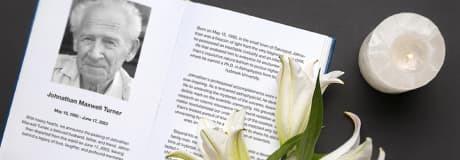

In memory of John Smith
Nov 27, 1806 - Mar 13, 1892Location

Memorial Page of John Smith
John Smith added the
“of Wakefield” to distinguish himself from several other men in the area with the same
name. He left his family‟s farm at an early age to teach in local schools. In those days,
no one needed a college/normal school degree to teach, and Smith never bothered to get one. He relied upon his native intelligence and instinct for business to make his way in life from an early age. He also spent time in Baltimore as a store clerk after his teaching stint. It was probably in that thriving metropolis he observed the business practices that he later applied to his own pursuit of financial success. Smith started slowly – teaching, clerking, working as an auctioneer and surveyor, and not marrying until he was in his forties. He inherited Wakefield, the family farm, in 1841. By the 1850s and 1860s his family was growing and so were his wealth and reputation. He recognized the importance of bringing a railroad into Carroll County and, with support from others, succeeded in getting tracks of the Western Maryland Rail Road laid across the full width of the county by the early 1860s. He served for a year as president of the Western Maryland Rail Road Company (1862-1863), and continued on its board for ten years and invested heavily in its stock. When educator Fayette Buell expressed interest in establishing a college in Westminster in the mid-1860s but lacked financial backing for his dream, Smith stepped in with a loan of $8,000. Others also loaned money enabling Western Maryland College to become a reality. Some people believe the college’s name was
chosen because of its close ties with Smith and the railroad, but that is unclear. The college needed financial assistance more than once during its formative years, and Smith apparently was always there to help. Even before it was officially chartered, he became the first head of its Board of Trustees and served in that capacity until hisdeath in 1892.
When he died, John Smith of Wakefield was “lovingly eulogized” by James T. Ward, a
former president of the college who had converted Smith and his wife, Caroline
Cookson, to the Methodist Protestant faith during a revival in 1859. Ward noted Smith
“took the deepest interest in the success of the College, which through all the years he
had done so much to promote.”